
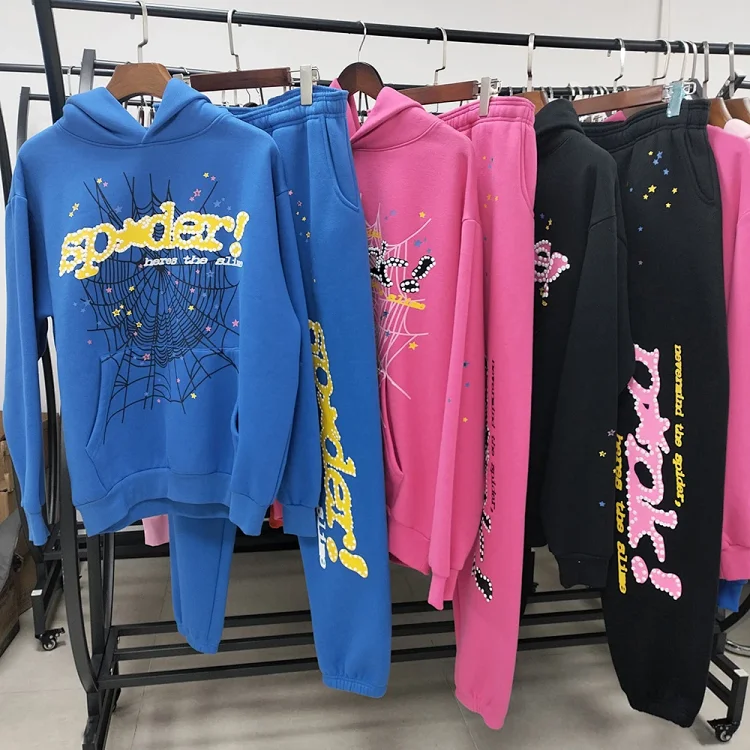
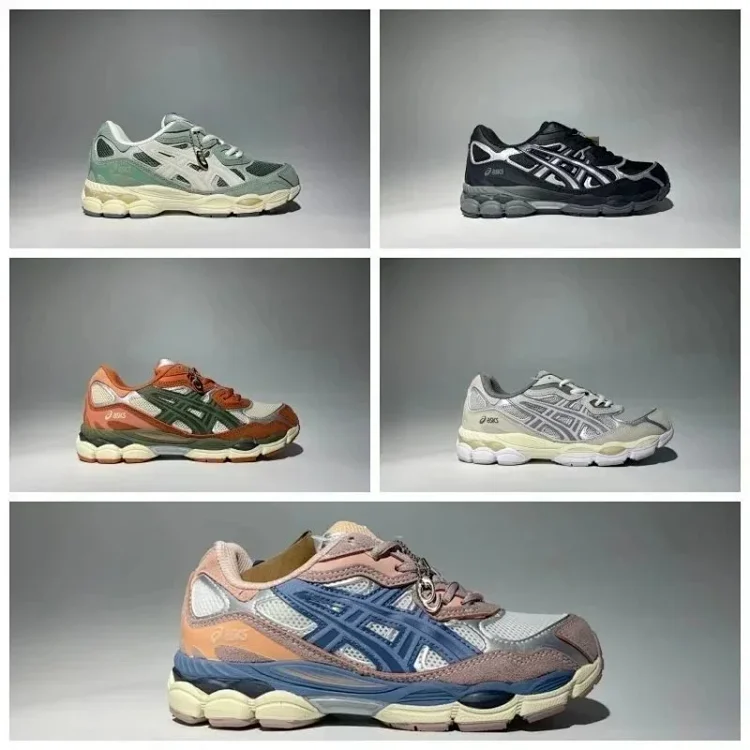
Small, useful shortlist

Shortlist products by the QC evidence they will require

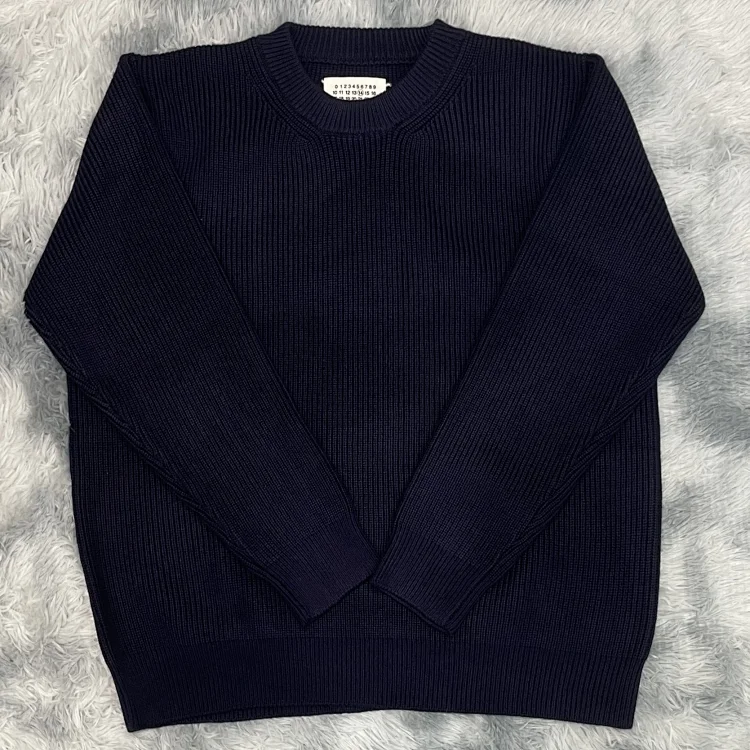
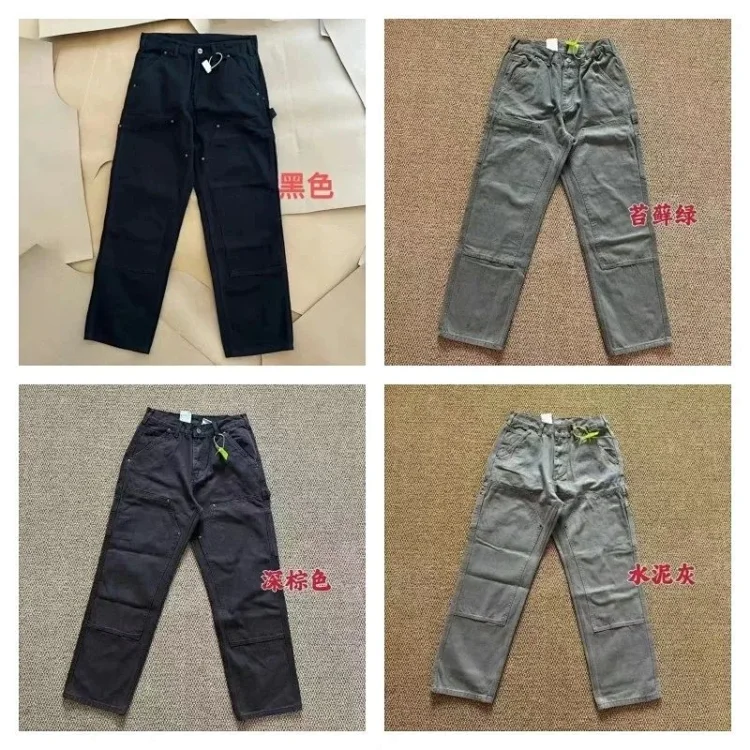
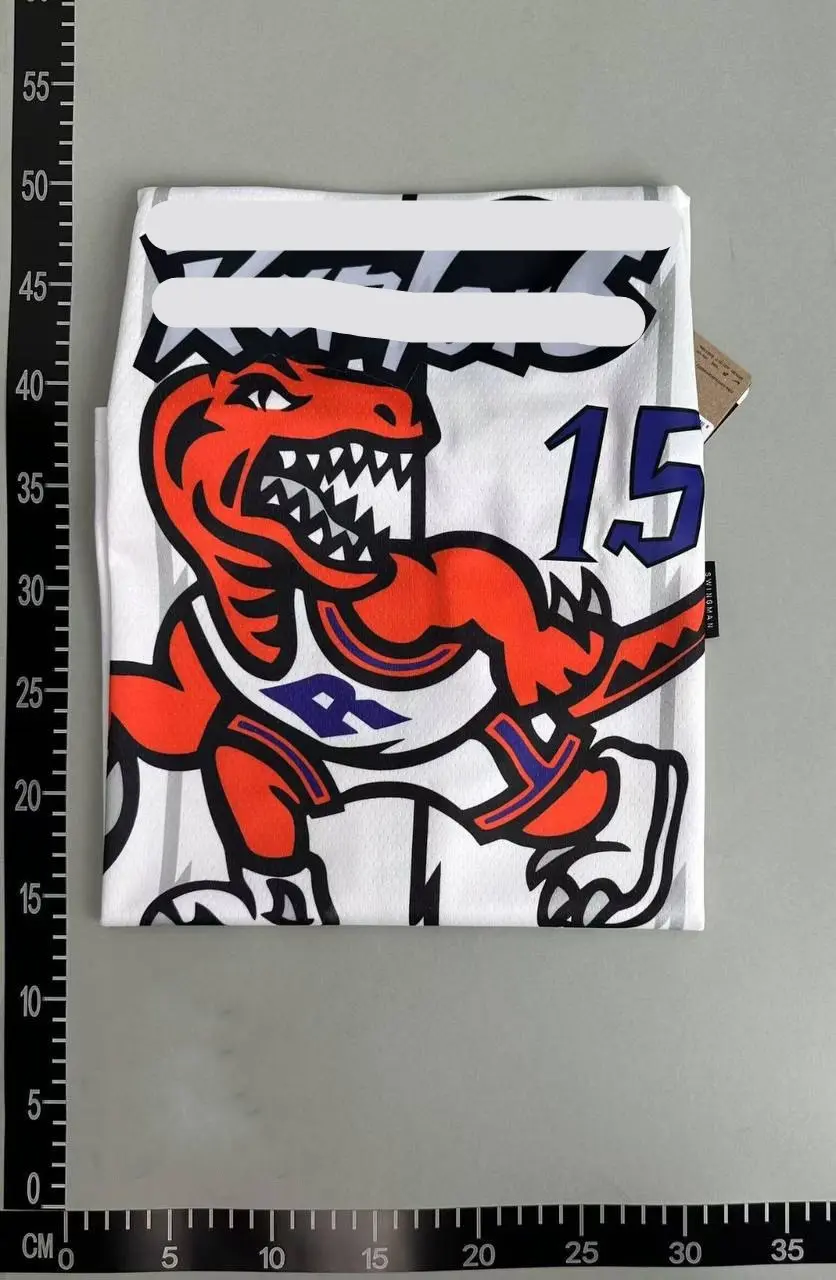
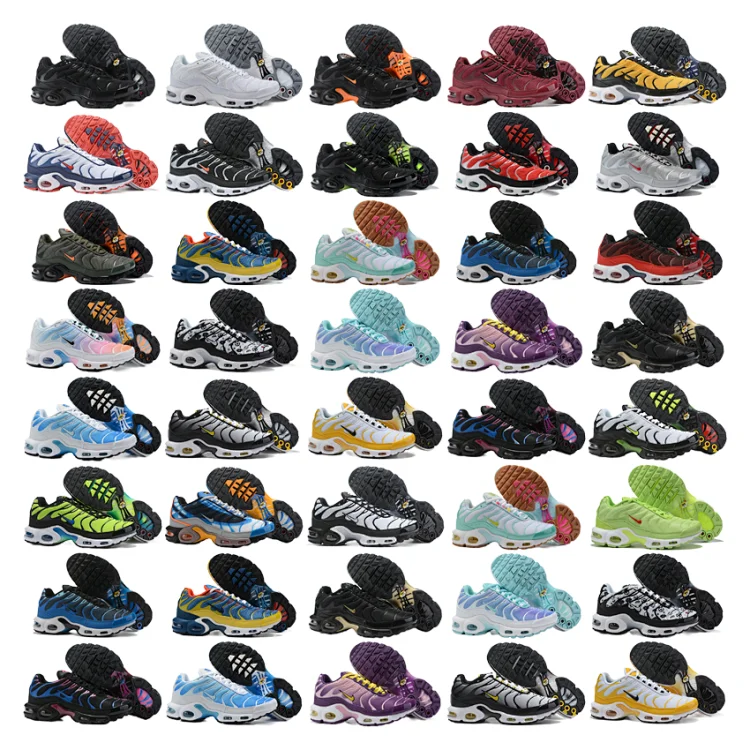
A focused selection across shoes, clothing, jerseys and accessories, organized around the evidence each item will require after stock-in.

Shortlist by the evidence you will need

A find is worth opening when it fits a defined category, use, option and risk tolerance. Before choosing on appearance, write the visual questions the warehouse record must answer: correct size label, matching color, expected number of pieces, compatible model marker, or an undamaged structural part. This changes the shortlist from a gallery into a preparation step. Two visually similar products may require different checks because one has several variants, a rigid shape or an option that cannot be distinguished from the main image.

Compare like with like before ranking options

Use the same evidence fields for every candidate in a category. For footwear, compare option, size method, pair symmetry and the parts visible from equivalent angles. For apparel, keep the chosen size, seller measurement method, print placement and customization details together. For bags or accessories, note dimensions, included parts and closures. A candidate with a slightly higher product price may carry less identity uncertainty; a cheap route with unclear options may require more follow-up. Keep those tradeoffs visible instead of hiding them behind one score.

Use a stop rule, not endless browsing

Stop adding candidates when a small group satisfies the brief and each route has enough current information to be checked. Exclude a find when its page no longer matches, the required option is absent, a decisive specification cannot be identified, or the remaining uncertainty is unacceptable for the item. Record why a route was kept or dropped. A dated reason is more useful than a vague badge because another reader can repeat the check. This site curates starting points; availability, options and transaction details still belong to the current destination page.

Date every image-led comparison

A thumbnail is only a snapshot of what the editor saw. Keep the review date beside the route and reopen the destination before acting. If the first image, option set or identifying text has changed, do not silently reuse the old conclusion. Record the change and restart the identity check. This protects the shortlist from appearing current merely because its cards still load and keeps later warehouse comparisons anchored to the version that was actually selected.